
Shoulder Injury Workers’ Comp Lawyer in San Diego
Shoulder injury workers’ comp lawyer help for San Diego workers with a torn rotator cuff, a dislocation, or a shoulder worn down by years of overhead work. Workers’ comp should cover your treatment, including surgery when you need it, and part of your lost pay while you heal.
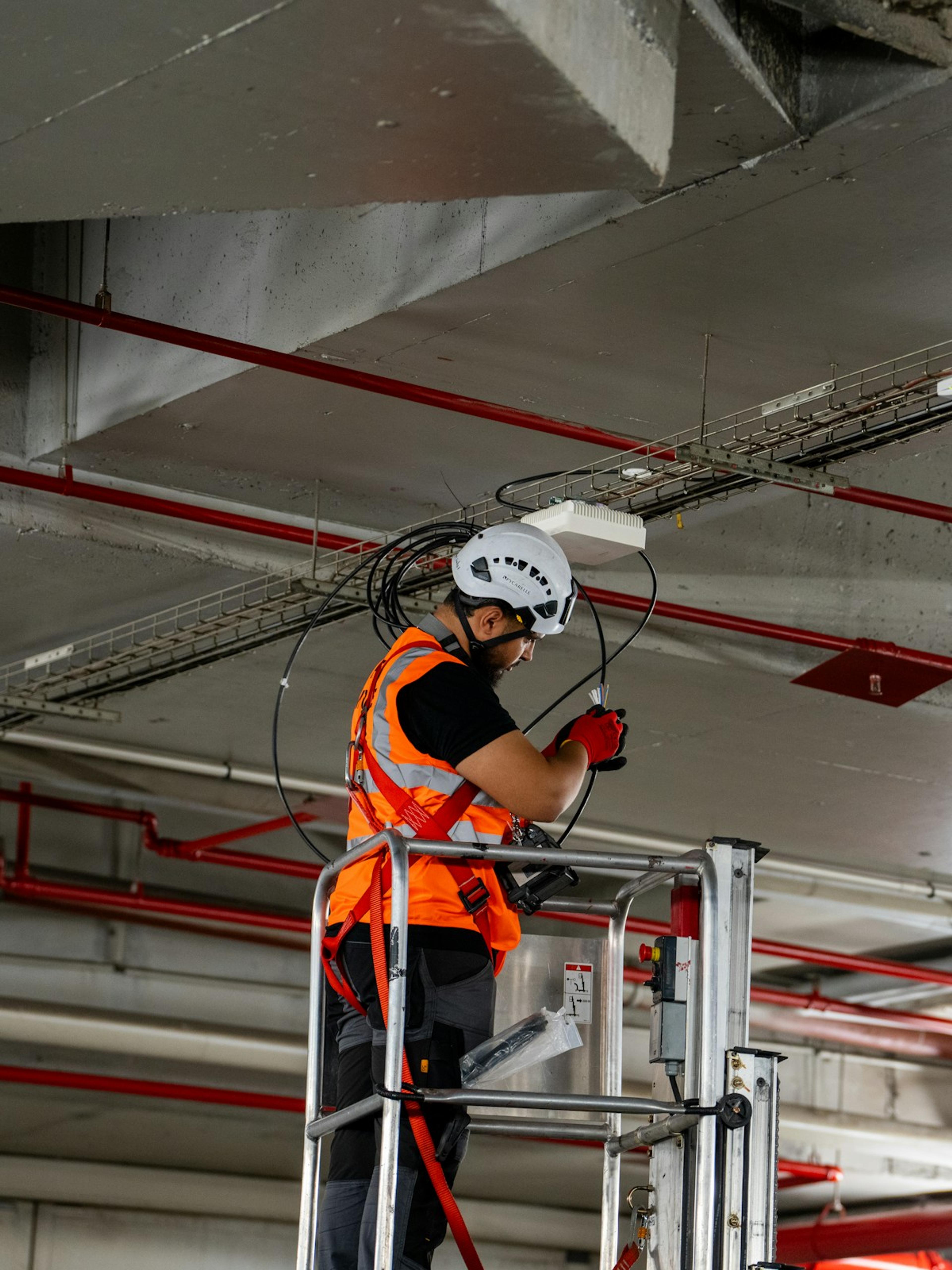
How shoulder injuries happen at work
The shoulder moves in more directions than any other joint, and that range of motion makes it easy to hurt. Some shoulder injuries happen in a single moment, like a fall or a sudden jerk on a heavy load. Others wear in slowly after years of reaching overhead. Common causes at work include:
- Working with your arms overhead: drywall, painting, electrical and ceiling work, or stocking high shelves
- Lifting, pushing or pulling heavy loads, especially held away from your body
- Falling onto an outstretched arm or straight onto the shoulder
- Trying to catch a load that slips, or a sudden yank on the arm
- Repeated reaching and lifting on a line, at a loading dock or on a delivery route
- Lifting and repositioning patients
Shoulder claims come up often in construction injury cases and among warehouse worker injuries, where people lift above shoulder height all day. The injuries we see include rotator cuff tears and tendinitis, labral tears, impingement and bursitis, dislocations and separated shoulders, frozen shoulder, and fractures of the collarbone or upper arm. Shoulder pain can also travel with a neck injury, so both should be checked.

What workers’ comp covers for a shoulder injury
Workers’ comp should pay for the care your shoulder needs and replace part of your income while it heals. For a shoulder injury, that usually means:
- Medical treatment: doctor visits, X-rays and MRIs, medication, cortisone injections, physical therapy and, when it’s needed, arthroscopic or open shoulder surgery. You shouldn’t pay out of pocket for approved care.
- Rehab after surgery: shoulder repairs usually need months of therapy. There is a general cap on therapy visits, but therapy after surgery follows separate post-surgical guidelines.
- Temporary disability (TD): checks while your doctor says you can’t work, usually two-thirds of your average weekly pay, up to a state maximum and for a limited time.
- Modified duty: restrictions like no reaching overhead or one-arm work only. Your employer may offer work within them. If it can’t, TD should continue.
- Permanent disability (PD): if you lose strength or range of motion for good, a rating based on those lasting limits sets more payments.
- A job displacement voucher for retraining if you can’t go back to your old job and your employer has no other work for you.
Getting rotator cuff surgery approved
Requests for rotator cuff repairs, labral repairs and shoulder replacements go through utilization review, where a doctor working for the insurer checks them against treatment guidelines. A common reason for denial is that you haven’t had enough therapy or injections first. If yours is denied, your doctor can ask for independent medical review by the deadline on the denial letter. It helps when the request shows what you’ve already tried.

Common problems with shoulder injury claims
Shoulder claims are often accepted at first and fought later, when you need surgery or a permanent rating. These are the disputes we see most:
- “It’s a degenerative tear.” Rotator cuffs wear with age, and an MRI often shows some of that wear. Insurers use it to say the tear didn’t come from work. In California, work that aggravates or speeds up a condition you already had can still be a work injury, and years of overhead work can be part of what wore the shoulder down.
- Surgery denials. A repair may be denied in utilization review on the grounds that you need more therapy first, or that the tear is too old to fix.
- Overhead-work restrictions. A permanent restriction on reaching overhead or lifting above shoulder height can end a career in construction, electrical work or stocking. The employer may say it has no job that fits, and the restrictions themselves are often disputed.
- Apportionment. Even when the claim is accepted, the insurer may argue that part of your permanent disability came from age, arthritis or an old sports injury, which lowers the award. The doctor has to explain the basis for that split, and it can be challenged.
- The other shoulder. Doing everything with your good arm can strain it too. That pain may belong in the claim, but it has to be reported and documented.
- Neck or shoulder? Pain that runs down the arm can come from the neck. If only the shoulder is evaluated, part of the injury may be missed.
When to call a shoulder injury lawyer
Many shoulder injury claims go smoothly. Call a lawyer if any of these happen:
- Your workers’ comp claim was denied, or the insurer keeps putting off a decision
- Rotator cuff surgery, an MRI or an injection your doctor asked for was denied
- The insurer says your tear comes from age or wear and tear, not your job
- You have permanent restrictions and your employer says there’s no work for you
- You’ve been sent to a QME, or the insurer wants you to see its own doctor
- Your TD checks stopped, or you were offered a settlement before your shoulder healed
There is nothing to pay up front. A workers’ comp lawyer’s fee comes out of your award, and a judge has to approve it. Hurt somewhere else too? See the other work injuries we handle.
How we handle your shoulder injury claim
Step 1
Free case evaluation
Tell us what happened. We review your claim and explain your options in plain language, at no cost.
Step 2
We take over the claim
We file the paperwork, track every deadline and handle all communication with the insurance company.
Step 3
Treatment and benefits
We push for the medical care and temporary disability payments the law provides while you recover.
Step 4
Settlement or award
Once your condition is stable, we fight for a fair disability rating and settlement, or present your case to a judge.
Meet the lawyer who will handle your claim

Shoulder injury workers’ comp questions
Is a rotator cuff tear covered by workers’ comp?
It can be, whether the tear happened in one moment or built up over years of lifting and overhead work. If the insurer says the tear is just from age, the question is whether your job caused it, sped it up or made it worse. A doctor’s report that explains the link to your work duties carries a lot of weight.
How long will I be off work after shoulder surgery?
It depends on the surgery and on your job. Recovery from a rotator cuff repair often takes several months, and people who lift or reach overhead for a living may need longer before they can go back to full duty. Your treating doctor decides when you can return and with what restrictions. Temporary disability generally continues while you can’t work, up to the limits set by law.
Do I have to try therapy and injections before shoulder surgery?
Often, yes. The treatment guidelines insurers rely on usually call for physical therapy, medication or injections first, unless your doctor documents a reason to operate sooner. If you’ve already tried those without improvement, make sure your medical records say so before the surgery request goes in.
What if I can never go back to overhead work?
If your doctor sets permanent restrictions your employer can’t work around, you may qualify for a job displacement voucher for retraining, in addition to permanent disability payments. Losing your job because of a work injury can also raise separate legal issues, so get advice before you sign a resignation or a settlement.
My other shoulder started hurting from doing all the work. Is that covered?
It may be. An injury caused by favoring the original injury is called a compensable consequence, and it can become part of your claim. Tell your doctor when the new pain started and how you’ve been using that arm, so it’s in your medical records.
More help with your claim
- Construction AccidentsConstruction accident workers’ comp lawyer in San Diego for falls, crane and equipment injuries, and uninsured subcontractors. Free case review.
- Warehouse WorkersWarehouse injury lawyer in San Diego for lifting, forklift and repetitive strain injuries, quota-pace claims and temp workers. Free case review.
- Denied ClaimsDenied workers’ comp claim in San Diego? Our lawyers challenge denials, meet appeal deadlines and fight for the benefits you were refused.
- View all
Hurt your shoulder at work?
Get a free case evaluation about your shoulder injury claim. You pay nothing up front.