
Knee Injury Workers’ Comp Lawyer in San Diego
Knee injury workers’ comp lawyer help for San Diego workers who tore a meniscus or ligament, hurt a knee in a fall, or wore it down from years of kneeling and climbing. Workers’ comp should cover your care, including knee surgery when you need it, and part of your lost pay.
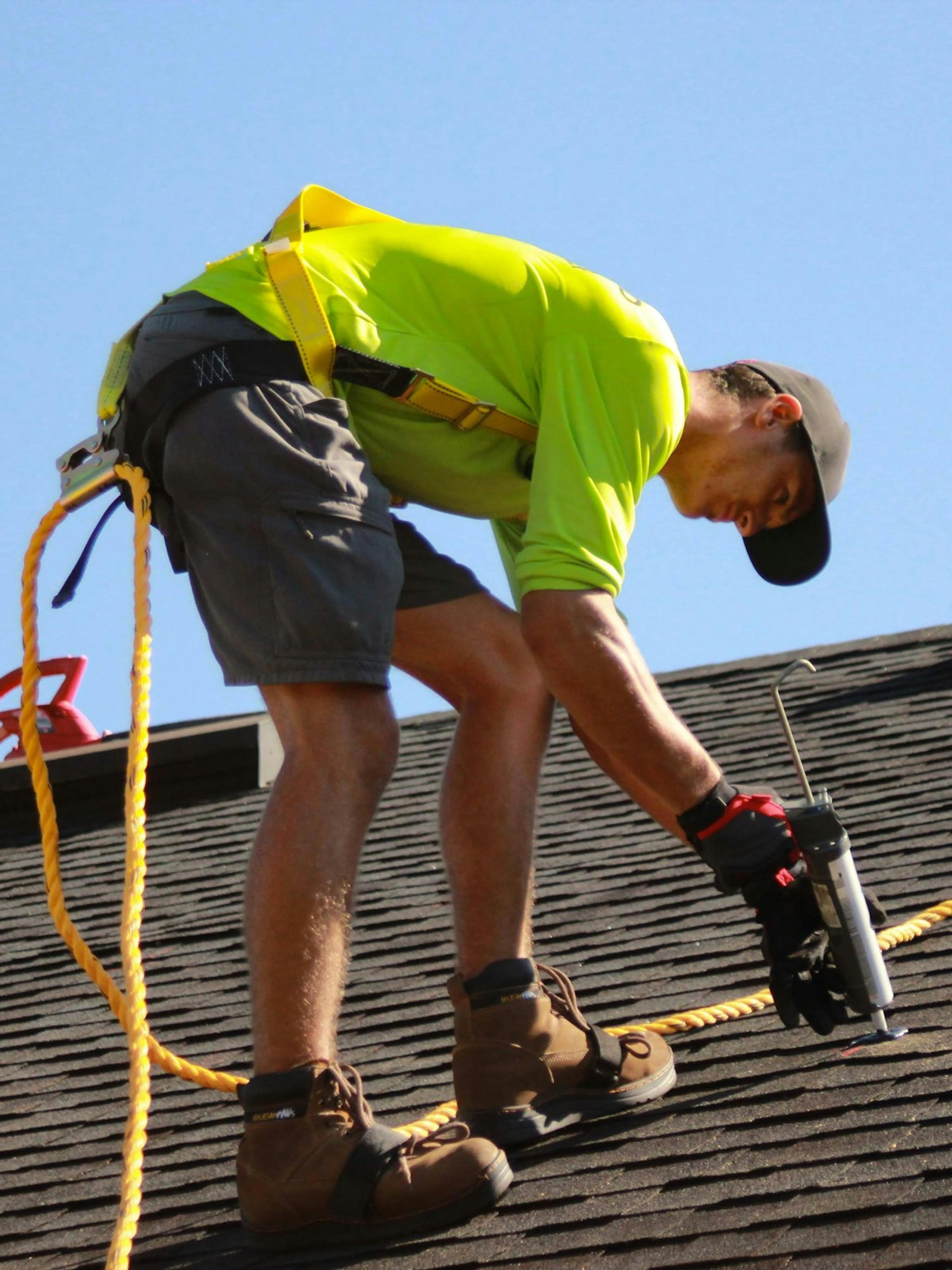
How knee injuries happen at work
Your knees take your full weight every time you squat, kneel, climb or step down, and they don’t handle twisting well. Some knee injuries happen in one bad step. Others build up from years of kneeling on hard floors. Common causes at work include:
- Kneeling and squatting for long stretches: flooring, tile, concrete, plumbing and roofing
- Twisting on a planted foot while carrying or turning with a load
- Climbing ladders and stairs, or in and out of truck cabs and trailers all day
- Jumping or stepping down from a loading dock, truck bed or scaffold
- Falls, and direct blows from equipment or materials
- Carrying heavy loads up stairs or across uneven ground
Knee claims come up often after a construction accident, and among delivery driver injuries from stepping on and off a truck all day. The injuries we see include meniscus tears, ACL and MCL sprains and tears, kneecap dislocations, patellar tendon injuries, bursitis from constant kneeling, cartilage damage and fractures. Work can also speed up arthritis that was already there, and that can still count as a work injury.
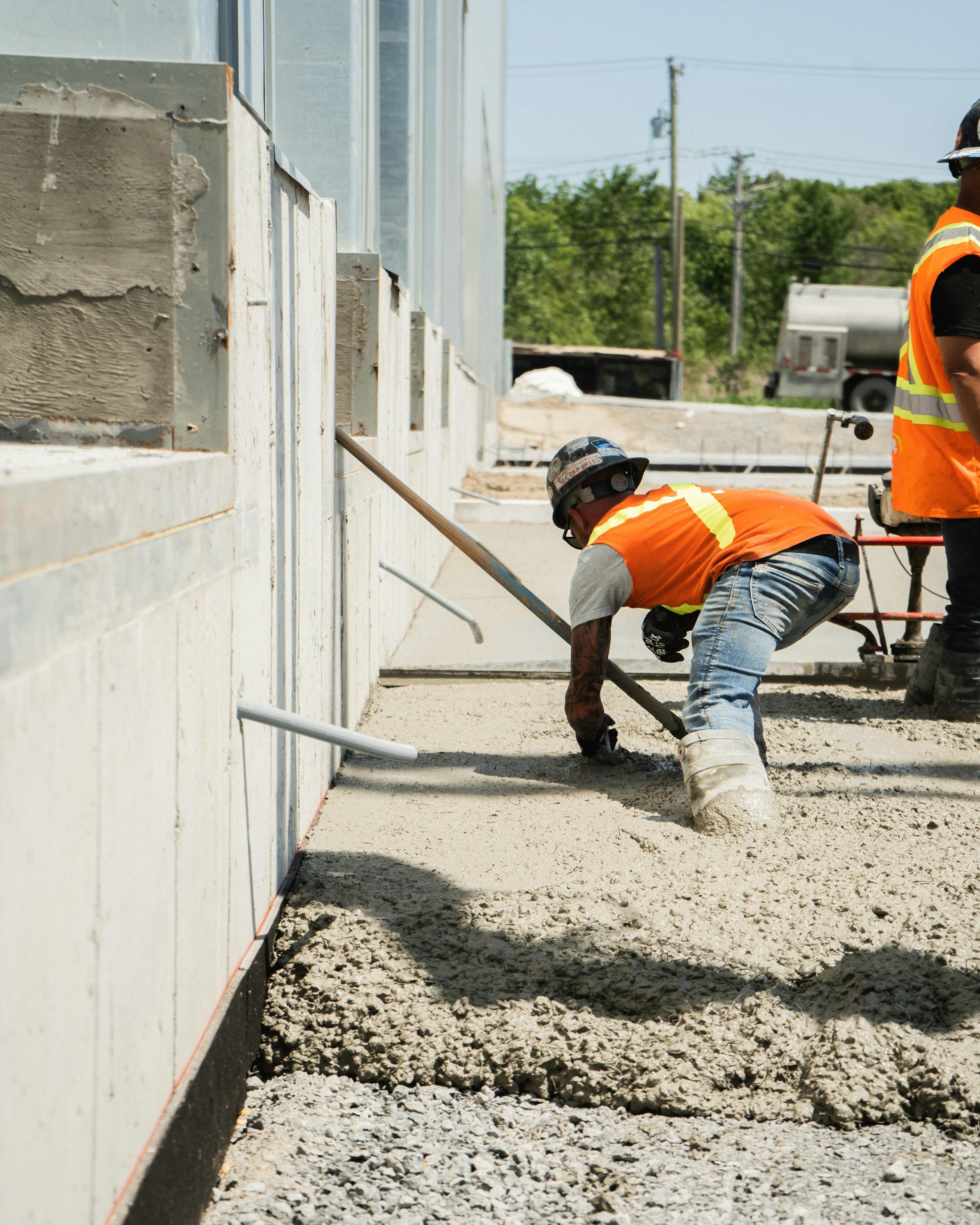
What workers’ comp covers for a knee injury
Workers’ comp should pay for the care your knee needs and replace part of your income while you can’t work. For a knee injury, that usually means:
- Medical treatment: doctor visits, X-rays and MRIs, medication, braces and crutches, injections, physical therapy and, when it’s needed, arthroscopic surgery, ligament reconstruction or a knee replacement. You shouldn’t pay out of pocket for approved care.
- Temporary disability (TD): checks while your doctor says you can’t work, usually two-thirds of your average weekly pay, up to a state maximum and for a limited time.
- Modified duty: restrictions like no kneeling, squatting or climbing, or mostly seated work. Your employer may offer work within them. If it can’t, TD should continue.
- Permanent disability (PD): if your knee stays weak, stiff or unstable, or you end up with a replacement, a rating based on those lasting effects sets more payments.
- A job displacement voucher for retraining if you can’t go back to your old job and your employer has no other work for you.
Getting knee surgery approved
Requests for arthroscopy, ACL reconstruction and knee replacement go through utilization review, where a doctor working for the insurer checks them against treatment guidelines. For meniscus tears in a knee that also shows arthritis, the guidelines often favor therapy before surgery, so expect questions. If your knee surgery is denied, your doctor can ask for independent medical review by the deadline on the denial letter.

Common problems with knee injury claims
Knee claims tend to turn on one question: was it the job, or was it the knee you already had? These are the disputes we see again and again:
- “It’s arthritis.” Many working knees show some arthritis on an X-ray. Insurers point to it to deny a claim or a surgery. In California, work that aggravates or speeds up arthritis can still be a work injury.
- “The meniscus tear is degenerative.” Insurers often call a tear wear and tear, especially in older workers. Years of kneeling and squatting can be part of what caused the wear.
- Knee replacement requests. When a replacement is recommended, the insurer may argue it would have been needed anyway. Your doctor has to explain how the work injury changed things.
- Apportionment. The insurer may argue that part of your permanent disability comes from arthritis, weight or an old sports injury, which lowers the award. That split has to rest on medical evidence and can be challenged.
- Compensable consequences. Limping on a bad knee can lead to pain in your other knee, hip or back. Those injuries may belong in the claim, but insurers often resist adding them.
- “It happened off the job.” With no witness, the insurer may suggest you hurt your knee at home or playing sports. Reporting right away, and telling every doctor how it happened, matters.
When to call a knee injury lawyer
Many knee injury claims go smoothly. Call a lawyer if any of these happen:
- Your workers’ comp claim was denied, or the insurer is still investigating weeks later
- Knee surgery, an MRI or a replacement your doctor asked for was denied
- The insurer blames your knee on arthritis, age or an old injury
- Your back, hip or other knee started hurting and the insurer won’t add it to the claim
- You’ve been sent to a QME, or offered light duty that goes beyond your restrictions
- Your TD checks stopped, or you were offered a settlement
A consultation is free, and a workers’ comp lawyer’s fee is paid from your award only after a judge approves it. Have more than one injury? See all the work injuries we handle.
How we handle your knee injury claim
Step 1
Free case evaluation
Tell us what happened. We review your claim and explain your options in plain language, at no cost.
Step 2
We take over the claim
We file the paperwork, track every deadline and handle all communication with the insurance company.
Step 3
Treatment and benefits
We push for the medical care and temporary disability payments the law provides while you recover.
Step 4
Settlement or award
Once your condition is stable, we fight for a fair disability rating and settlement, or present your case to a judge.
Meet the lawyer who will handle your claim

Knee injury workers’ comp questions
Is a meniscus tear covered by workers’ comp?
It can be. A meniscus can tear in one twisting moment, or slowly from years of squatting and kneeling. Either way, the question is whether your work caused the tear or made it worse. Insurers often call meniscus tears degenerative, so a doctor’s report tying the tear to your job duties matters.
Will workers’ comp pay for a knee replacement?
It may, if your work injury caused the damage or sped up the need for the replacement. These requests get close scrutiny because the insurer will often say the replacement is for arthritis alone. Your doctor’s reasoning, and the records of your earlier treatment, make a big difference in utilization review.
I already had arthritis in my knee. Can I still file a claim?
Yes. If your job aggravated the arthritis, or an accident at work injured a knee that was already worn, the injury can still be covered. Expect the insurer to argue that some of your permanent disability comes from the arthritis rather than work. That argument has to be backed by medical evidence and can be challenged.
My back and hip started hurting from limping. Is that part of my claim?
It can be. When a knee injury changes the way you walk, pain in your back, hip or other knee may follow. An injury caused by the original injury is called a compensable consequence. Tell your doctor about the new pain and when it began, so it can be evaluated and added to the claim.
Do I have to accept light duty with a knee injury?
If your employer offers work that fits within your doctor’s restrictions, such as seated work with no kneeling or climbing, turning it down can stop your temporary disability checks. If the job goes beyond your restrictions, tell your doctor and get advice before you refuse or push through it.
More help with your claim
- Construction AccidentsConstruction accident workers’ comp lawyer in San Diego for falls, crane and equipment injuries, and uninsured subcontractors. Free case review.
- Delivery DriversDelivery driver workers’ comp lawyer in San Diego for package, courier and truck drivers, including drivers told they’re contractors. Free case review.
- Denied ClaimsDenied workers’ comp claim in San Diego? Our lawyers challenge denials, meet appeal deadlines and fight for the benefits you were refused.
- View all
Hurt your knee at work?
Get a free case evaluation about your knee injury claim. You pay nothing up front.