
Construction Accident Workers’ Comp Lawyer in San Diego
Construction accident workers’ comp lawyer help for San Diego tradespeople hurt in a fall, by falling material or after years of heavy work. Workers’ comp should cover your care and part of your pay, even when a subcontractor had no insurance or the companies argue over who employed you.
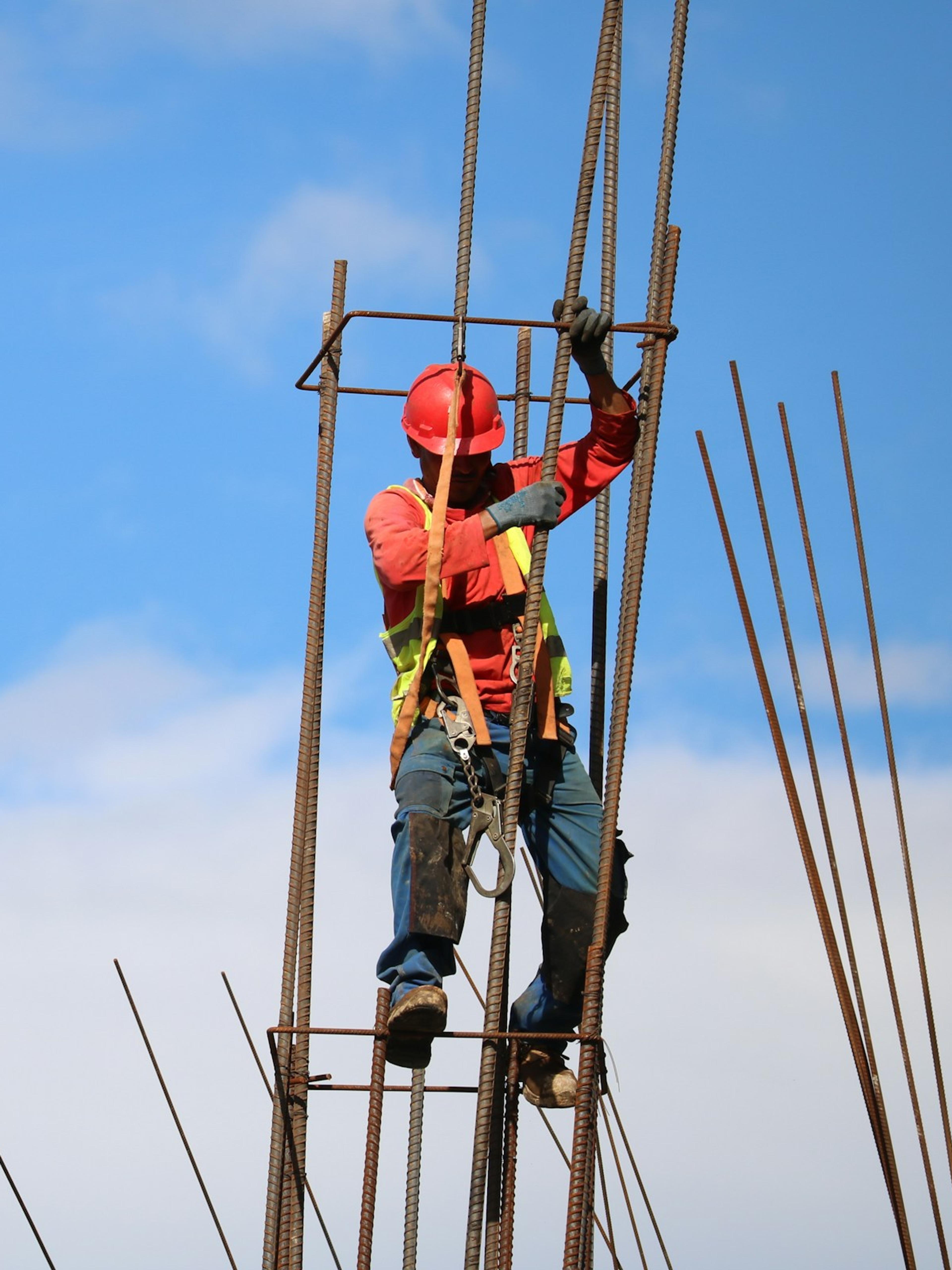
The hazards of construction work in San Diego
San Diego County builds year-round, from downtown towers and Mission Valley apartments to tract homes, freeway work and rooftop solar. Construction is physical work, often done at height, around heavy equipment and on a tight schedule. Most of the accidents we hear about on job sites come from:
- A fall from scaffold planking, a ladder, a roof edge or an unguarded floor opening
- Tools, materials or a crane load falling or swinging into a worker
- Getting caught in or between equipment, or in a trench that caves in
- Electrical contact while running wire, working near power lines or using damaged cords
- Nail guns, saws and grinders
- Years of heavy lifting, overhead work and kneeling in drywall, concrete, framing, rebar and roofing
- Heat illness on summer jobs, and long-term exposure to noise and dust
These accidents lead to broken bones, a back injury at work from lifting, a head injury at work from a fall or a falling object, and torn shoulders and knees. Each injury raises its own medical questions, and a fall at work has its own page. What sets construction claims apart is who the employer is, how your pay is counted and whether you can go back to heavy work.
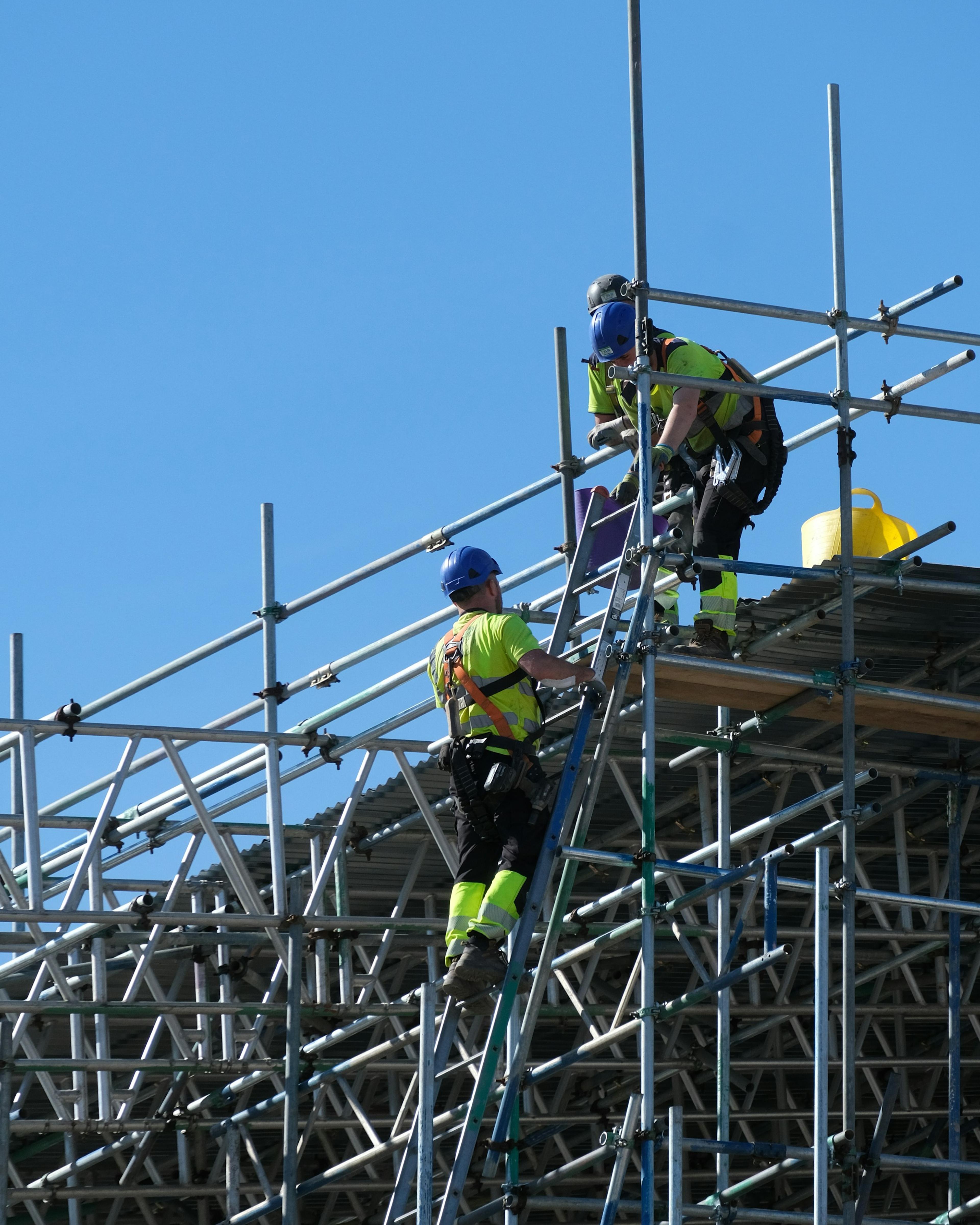
What workers’ comp covers after a construction accident
Laborers, carpenters, electricians, ironworkers, roofers, operators and apprentices are all covered from the first day on the job. After a construction accident, benefits usually include:
- Medical care: emergency treatment, surgery, physical therapy, medication and follow-up visits, often through your employer’s medical provider network. You shouldn’t pay out of pocket for approved care.
- Temporary disability (TD): checks while you can’t work, usually two-thirds of your average weekly earnings up to a state maximum. Overtime counts, and when work comes and goes, the figure should reflect what you can really earn.
- Modified duty: many contractors have no light work to offer. If your doctor gives you restrictions and there’s no job within them, TD should continue.
- Permanent disability (PD): payments if the injury leaves lasting limits. The rating formula takes your occupation and age into account, so the physical demands of construction work matter.
- A job displacement voucher for retraining if you can’t go back to your trade and your employer has no other work for you.
- Death benefits for the family when a worker is killed on the job.
When a safety violation caused the injury
If your employer’s serious and willful misconduct caused the accident, for example by knowingly ignoring a missing guardrail or fall protection, California law may allow an increased award on top of regular benefits. This is a separate claim with its own short deadline, so raise it early.
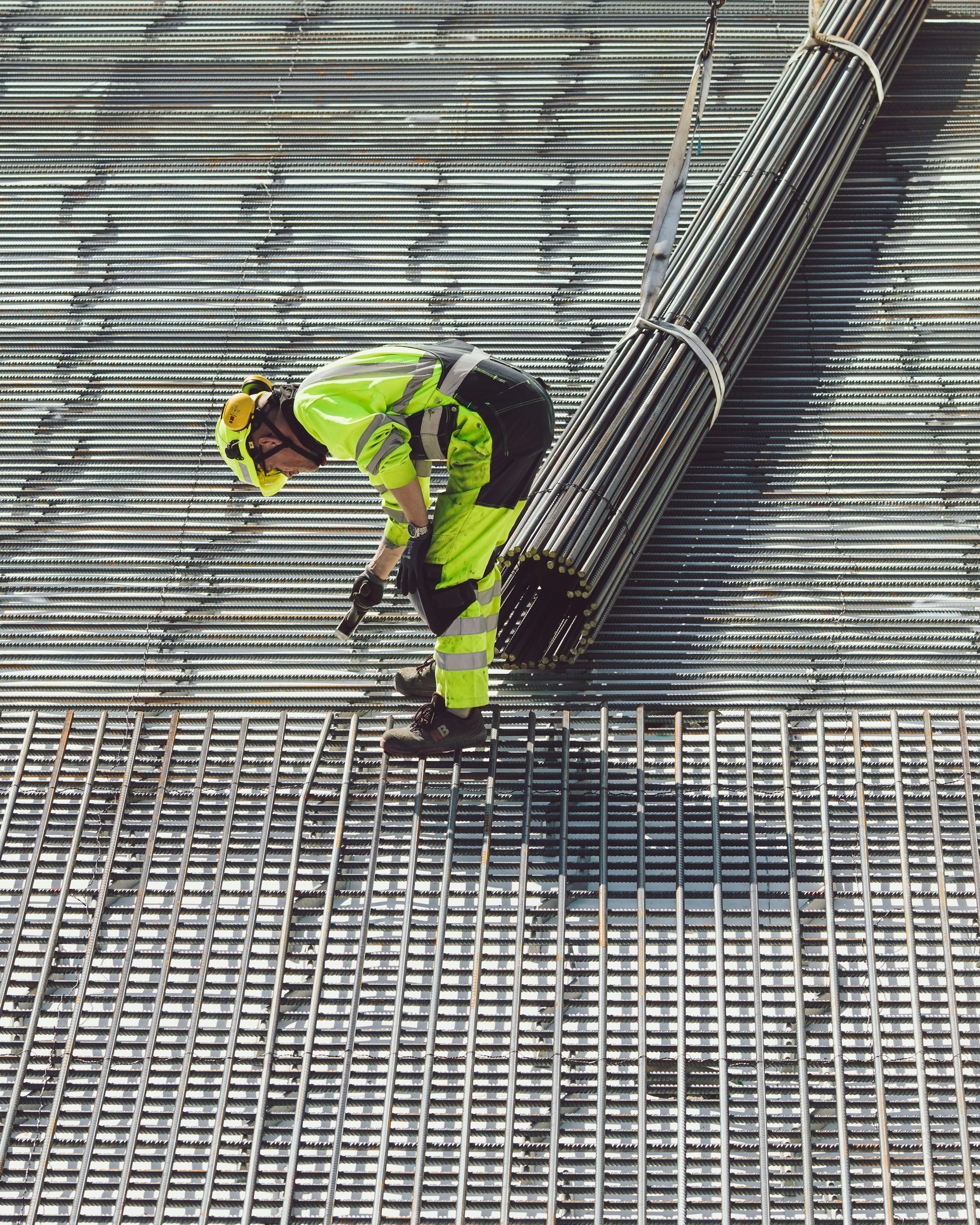
Common problems with construction injury claims
A job site can have a general contractor, a dozen subcontractors and a staffing company, each with its own insurer. That is where most construction claims get stuck:
- Who was your employer? The first fight is often over which company, and which insurer, is responsible. Your pay stubs and who gave you your daily assignments are the starting point.
- Uninsured subcontractors. Smaller subs sometimes let coverage lapse. When that happens, the general contractor or its insurer may be responsible, or the state’s Uninsured Employers Benefit Trust Fund may pay. You still have a claim.
- “You’re an independent contractor.” Being paid in cash or on a 1099 doesn’t settle it. California looks at the actual working relationship, and many workers labeled contractors are employees for workers’ comp.
- Immigration status. Insurers sometimes ask about it to discourage a claim. Immigration status generally doesn’t affect your right to workers’ comp benefits in California.
- Several employers. Tradespeople and union members move from contractor to contractor. For an injury that builds up over years, such as worn-out knees or a back from decades of heavy work, the claim generally looks to the employers from your last year of exposure, and their insurers may point at each other.
- Union carve-out programs. Some union contracts replace parts of the regular system with their own doctor list and dispute process. The steps are different, and the deadlines still matter.
- Late reporting. Workers often keep going through pain to protect their spot on the crew. California generally gives you 30 days to tell your employer, but every day you wait gives the insurer room to argue the injury happened somewhere else.
- Going back to heavy work. Insurers may push for a release before you can safely climb, lift or work at height, or argue that your restrictions still fit construction work.
When to call a construction injury attorney
Some construction claims go smoothly. Call us if any of these happen:
- Your workers’ comp claim was denied, or it’s stalled while the companies argue over who employed you
- Your employer says it has no insurance, or told you not to file
- You were paid in cash or as a contractor and were told you aren’t covered
- You fell from a scaffold, ladder or roof, or a safety violation played a part
- Another company’s crew, equipment or property was involved
- Your disability checks don’t reflect your overtime or your real hourly rate
- The insurer wants you back on the job before your doctor clears you for heavy work
A workers’ comp lawyer’s fee is approved by a judge and paid out of your award, so there is nothing to pay up front.
When another company caused the accident
Workers’ comp is generally your only claim against your own employer, but it doesn’t shield everyone else on the site. If another subcontractor’s crew, the property owner or the maker of a defective scaffold, ladder or tool caused your injury, you may also have a separate injury claim against them, with its own deadlines. Tell us about every company that was on the job.
How we handle your construction accident claim
Step 1
Free case evaluation
Tell us what happened. We review your claim and explain your options in plain language, at no cost.
Step 2
We take over the claim
We file the paperwork, track every deadline and handle all communication with the insurance company.
Step 3
Treatment and benefits
We push for the medical care and temporary disability payments the law provides while you recover.
Step 4
Settlement or award
Once your condition is stable, we fight for a fair disability rating and settlement, or present your case to a judge.
Meet the lawyer who will handle your claim

Construction accident workers’ comp questions
I work for a subcontractor. Whose workers’ comp covers me?
Usually your direct employer’s, the company that pays you and tells you what to do. If that subcontractor has no coverage or isn’t properly licensed, California law may make the general contractor or another contractor up the chain responsible. Report the injury to your own foreman, tell the site supervisor too, and keep your pay stubs.
What if my construction employer doesn’t have workers’ comp insurance?
You can still file a claim. California requires employers to carry coverage, and when one doesn’t, the state’s Uninsured Employers Benefit Trust Fund may pay benefits while the state goes after the employer. You may also be able to sue an uninsured employer directly. These cases have extra steps, so get advice early.
I had a fall from a scaffold. Can I sue my employer?
Usually not. Workers’ comp is generally the only remedy against your own employer, and it pays no matter who was at fault. There are exceptions, such as an employer with no insurance. If another company built or maintained the scaffold, or it failed because of a defect, you may have a claim against that company as well.
Does being in a union change my workers’ comp claim?
Your basic rights are the same. Some union contracts create a carve-out program with its own list of doctors and its own way of settling disputes, so ask your business agent whether one covers your job. A carve-out changes the process, not your right to medical care and disability benefits, and you can still talk to a lawyer.
How is my disability pay figured if I work overtime or move between jobs?
Temporary disability is generally two-thirds of your average weekly earnings, up to a state maximum. Overtime counts, and so, in many cases, does pay from a second job. When your hours or projects change from month to month, the figure should reflect what you can really earn, not a slow week. Check the insurer’s number against your pay stubs.
More help with your claim
- Falls at WorkFall at work lawyer in San Diego for slip and fall at work claims, ladder falls and disputed injuries. Nothing to pay up front. Free case review.
- Back InjuriesBack injury workers’ comp lawyer in San Diego for herniated discs, strains and spine surgery claims. We fight denials and low ratings. Free case review.
- Head InjuriesHead injury at work lawyer in San Diego for concussions, TBI and lasting post-concussion symptoms. We push for testing and benefits. Free case review.
- Denied ClaimsDenied workers’ comp claim in San Diego? Our lawyers challenge denials, meet appeal deadlines and fight for the benefits you were refused.
- View all
Hurt on a construction site?
Get a free case evaluation about your construction accident claim. You pay nothing up front.